Tropics Hub • Official Products • Clear Guidance
STN Tropics
All Things Tropical.
A clean hub for tropical monitoring: official outlooks, rainfall guidance, systems to watch, and practical prep. Built to reduce confusion and help communities act early.
Official sources
Flood-first mindset
Built to share fast
Link copied!
Quick Links
National Hurricane Center
Outlooks • Advisories • Cones • Discussions
Open →
Tip: In the tropics, water kills. Don’t focus only on category — watch rainfall totals, surge zones, and power outage potential.
Live Products
Official Tropics Dashboard
NHC Tropical Outlook
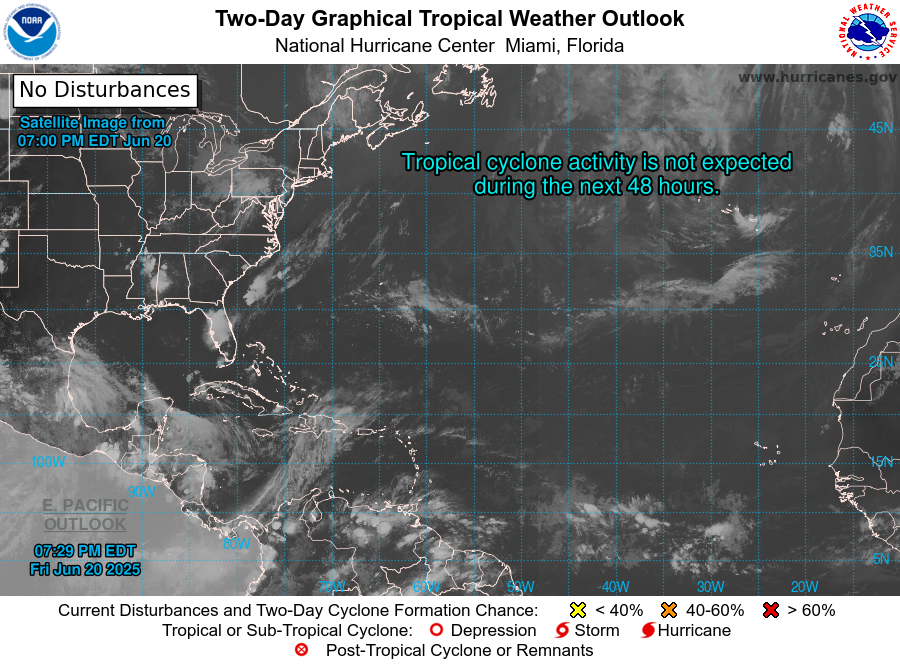
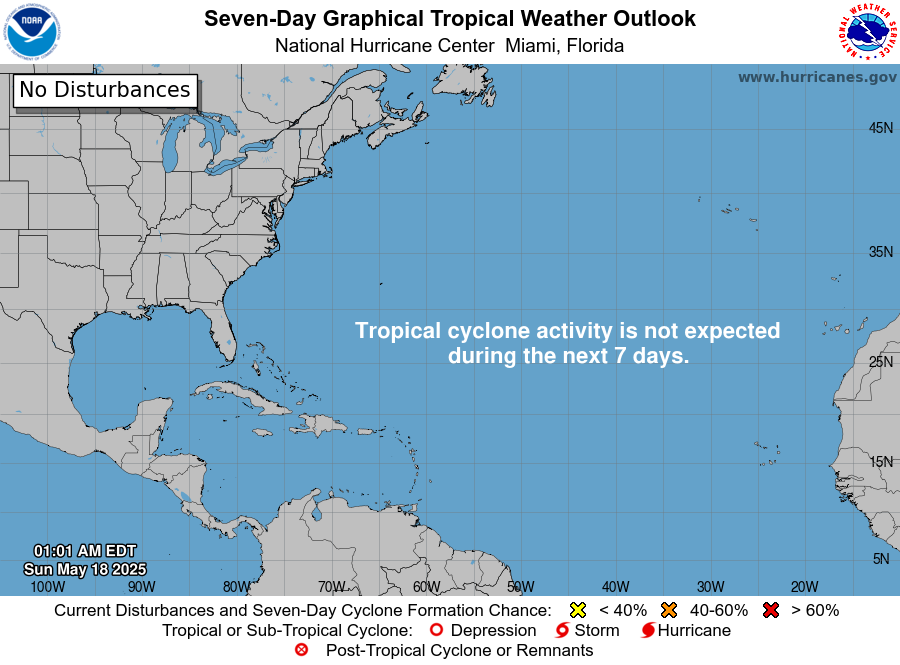
Quick Read
Use the official outlook images above for fast situational awareness.
Click “Open →” for full discussions/advisories when a system is active.
Official NHC product
Rainfall Forecast (QPF)
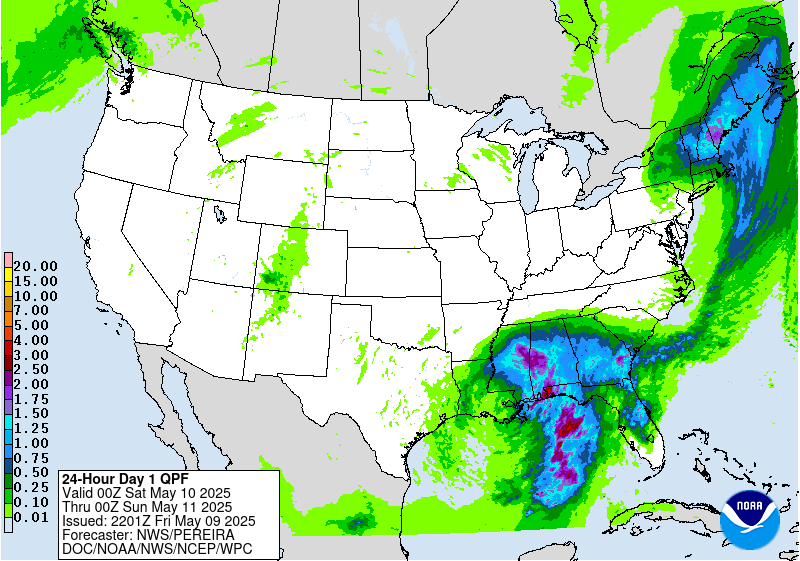
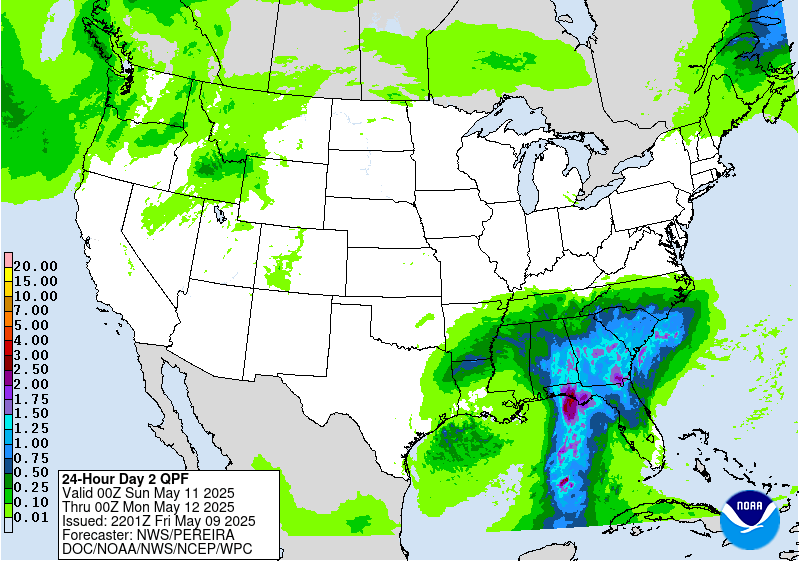
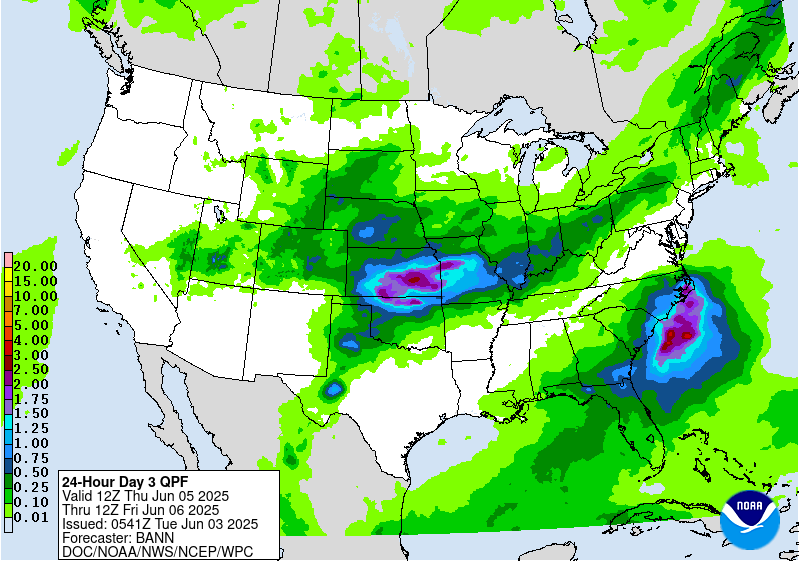
Flooding often becomes #1 hazard
Use QPF + local flood guidance
If these images ever look “stale,” tap refresh. It forces a new download and bypasses browser caching.
Systems
Systems to Watch
EXAMPLE DATA ONLY
Invest 9X (Example)
Low
Broad area of showers and storms. Organization is limited. Monitoring for slow development as it moves west.
2-Day
20%
7-Day
40%
Focus
Rain
Tropical Storm (Example)
Medium
Strengthening possible. Main concerns: coastal impacts, storm surge in vulnerable bays, and heavy rainfall inland.
Wind
50 mph
Surge
2–4 ft
Rain
4–8"
Preparedness
Tropical Prep That Actually Helps
Simple, practical steps for families, renters, and storm-prone communities. Save this section and share it when a system is brewing.
Home & Property
2-hour checklist
- Charge devices, power banks, and run your generator test (if you have one).
- Secure loose outdoor items (trash cans, furniture, trampolines).
- Clear gutters / drains. Small clogs become big flooding problems.
- Photo/Video your home + valuables for insurance documentation.
- Prep window protection if in wind-prone zones.
Evac & Travel
Plan early
- Know your evacuation zone (coastal) and your nearest inland “safe” destination.
- Fuel up before lines start. Keep a cash backup.
- Have a “go bag”: meds, IDs, chargers, snacks, water, pet supplies.
- Never drive through flooded roads. Turn around, don’t drown.
- Share your plan with family/friends.
Pets & Livestock
Don’t wait
- Microchip + collar tags. Keep a recent photo.
- 3–5 days of food + water per pet, plus meds.
- Crates / carriers ready. Identify pet-friendly shelters/hotels.
- Move livestock away from flood-prone fields if possible.
- Backup plan for heat + ventilation in power outages.
Power & Comms
Stay connected
- Download offline maps. Save key phone numbers.
- Keep a battery radio (or car radio) as a backup info source.
- Set a family check-in time if service goes down.
- Protect electronics with surge protection when power returns.
- Use text messages if calls won’t go through.
FAQ
Tropics Quick Answers
Invest vs Tropical Depression vs Tropical Storm
Invest = an area being monitored (often for models/recon).
Tropical Depression = organized system with a closed circulation and winds < 39 mph.
Tropical Storm = 39–73 mph sustained winds and gets a name.
Tropical Depression = organized system with a closed circulation and winds < 39 mph.
Tropical Storm = 39–73 mph sustained winds and gets a name.
Hurricane categories — what matters most?
Category is based on wind only. The biggest killers can be storm surge and inland flooding.
Always check the hazard breakdown for your exact location.
Cone vs impacts — why you can be outside the cone and still get hit
The cone shows track uncertainty for the center. Impacts (rain, tornadoes, surge, wind) extend well outside it.
Plan based on hazards, not the line.
When should I start prepping?
If you’re within the general watch zone, start light prep when a system has a realistic path in 3–5 days.
Don’t wait for last-minute rush.
Share This Tropics Hub
When a storm is brewing, sharing from a reliable source increases the likelyhood of saving lives.
Link copied!
campaign
NEW: Adopt a County Campaign
Learn more →
